Ca' Sagredo Hotel

Venice, Italy

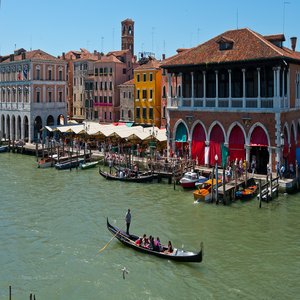
A cultural and historic landmark set on Venice’s Grand Canal

Club Member Rating

4.7

6

Ca' Sagredo Hotel

At a glance

42 rooms

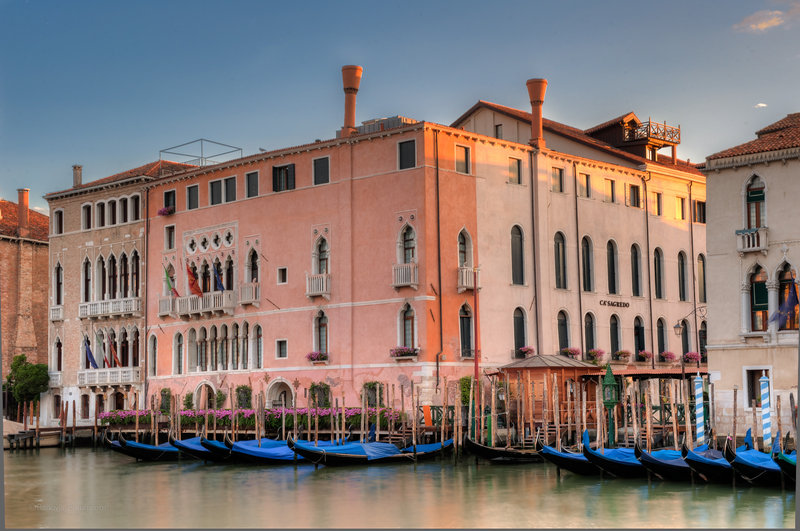
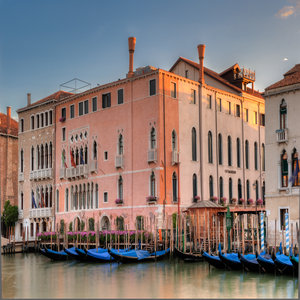
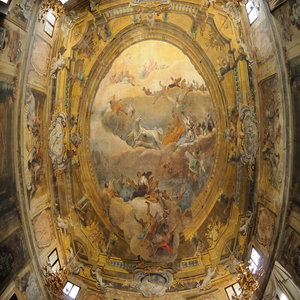
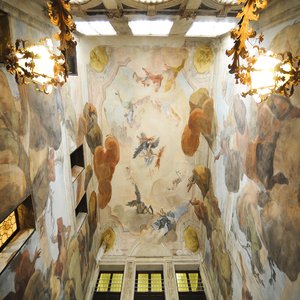
A meticulously renovated 15th-century palace, with its lavish pink façade, sits proudly between Ca’ d’Oro and the Rialto Bridge on the spectacular Grand Canal. Ca’Sagredo Hotel in Venice is a real gem, half hotel, half museum with important works of art by 17th and 18th-century artists Sebastiano Ricci, Giambattista Tiepolo, Niccolò Bambini and Pietro Longhi.

Location

On the Grand Canal in Venice. Close to the Rialto Bridge. 5 km from Venice Marco Polo International Airport.

Map

Things to enjoy

Stunning, historic works of art, frescos, stucco work, statues, wall friezes, superb location on Grand Canal, romantic canal views, fine dining restaurant with terrace, bar.

Number of floors: 4
Number of lifts: 2

In detail

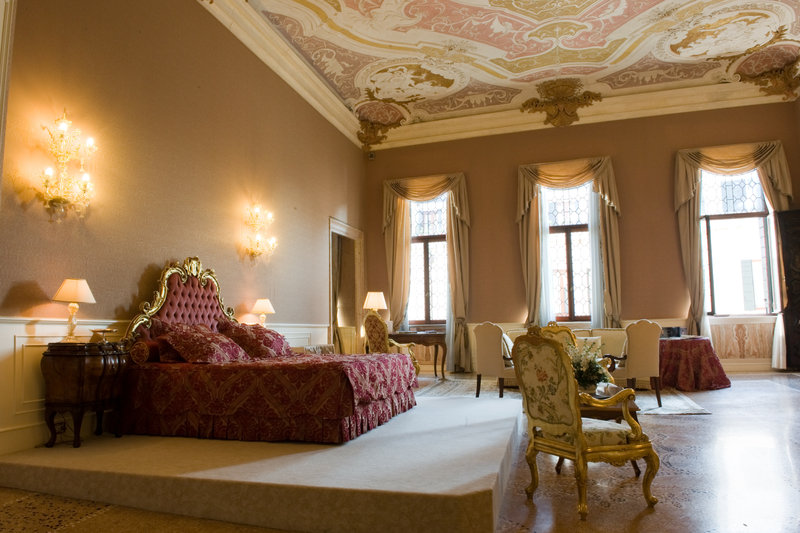
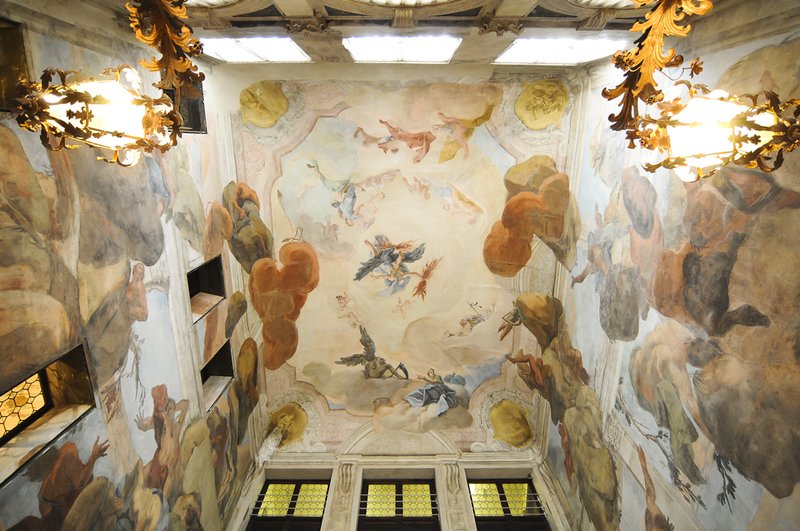
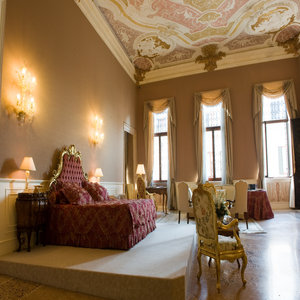
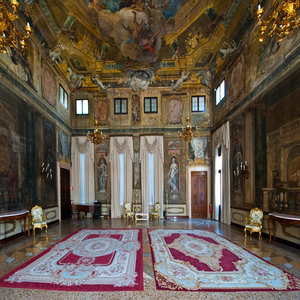
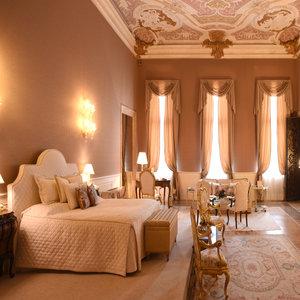
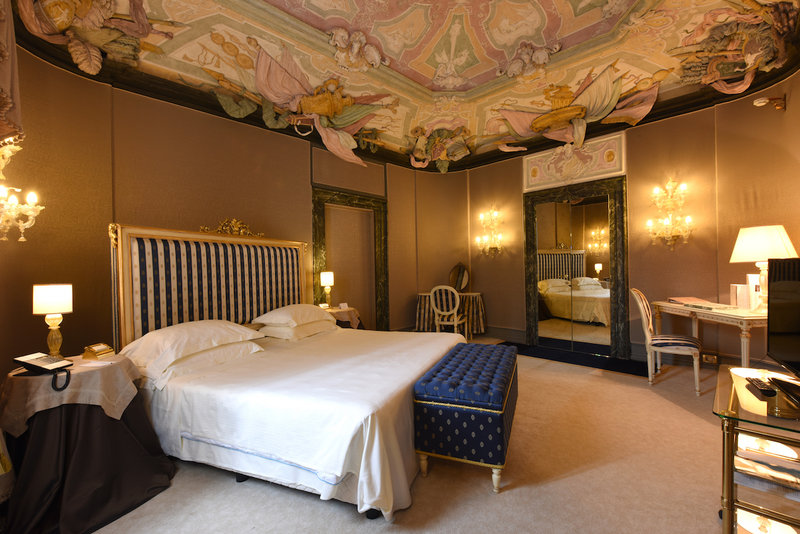
This place is truly mesmerising. Ascend the stately marble staircase by Tirali, with an impressive fresco by Longhi, and experience the air of romance and mystery that is uniquely Venice. With several of the rooms and suites providing a canal view, stay in one of Ca’Sagredo Hotel’s historical grand suites to appreciate 18th-century stuccoed ceilings, bas reliefs and elaborately painted wall friezes.

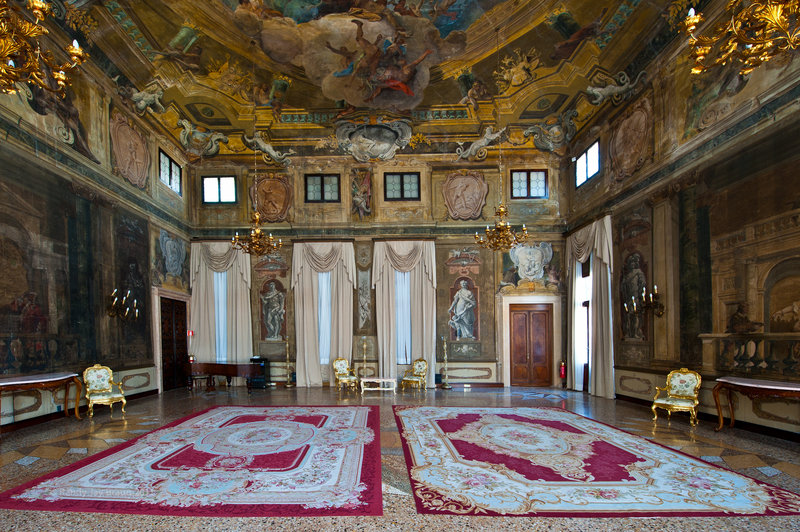
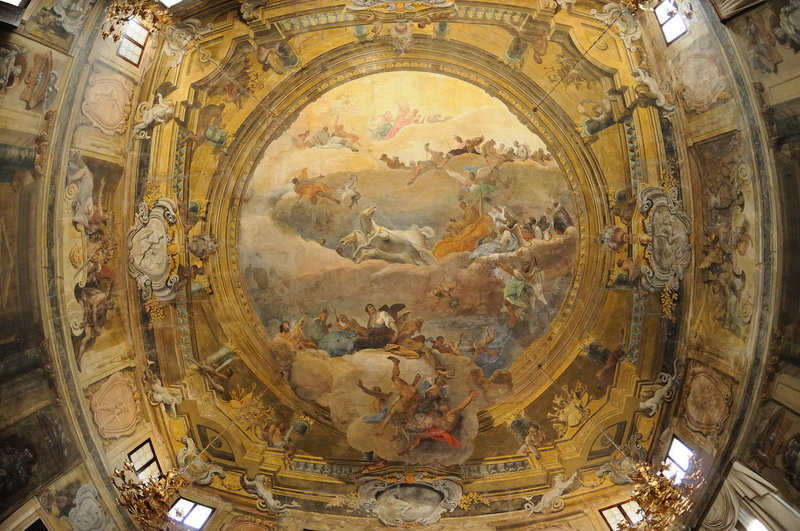
Take time out to discover the extraordinary artworks throughout Ca’ Sagredo. At breakfast in the Sala di Tiepolo, you cannot help but admire the ceiling painting, “Tribute to Venice” before venturing out to discover more of the city’s treasures.

Rooms

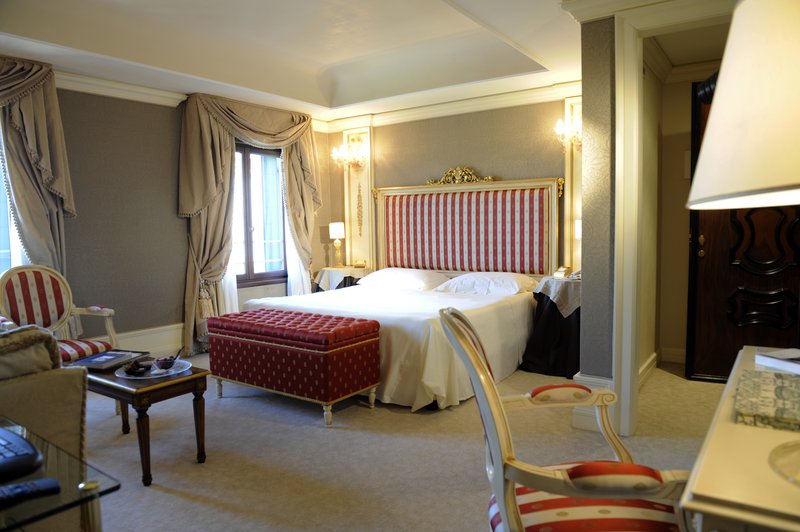
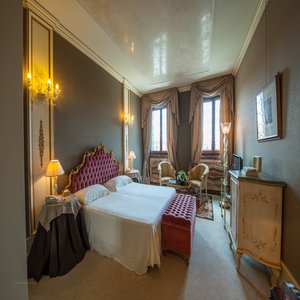
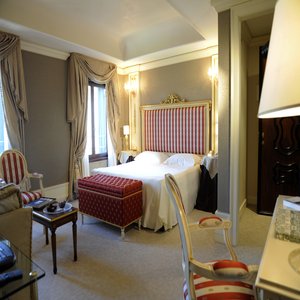
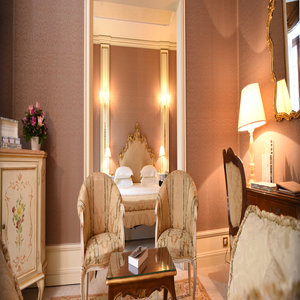
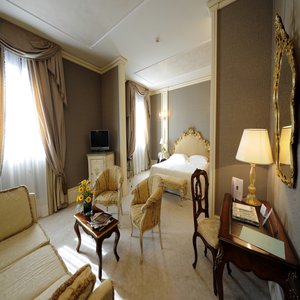
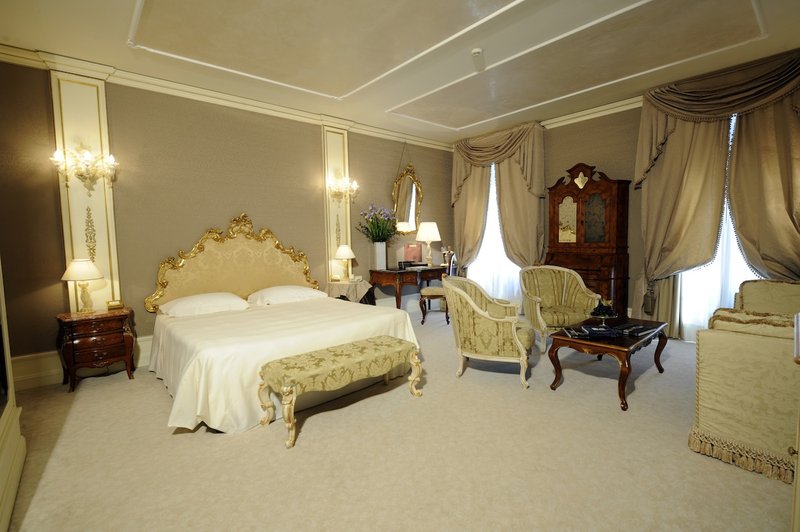
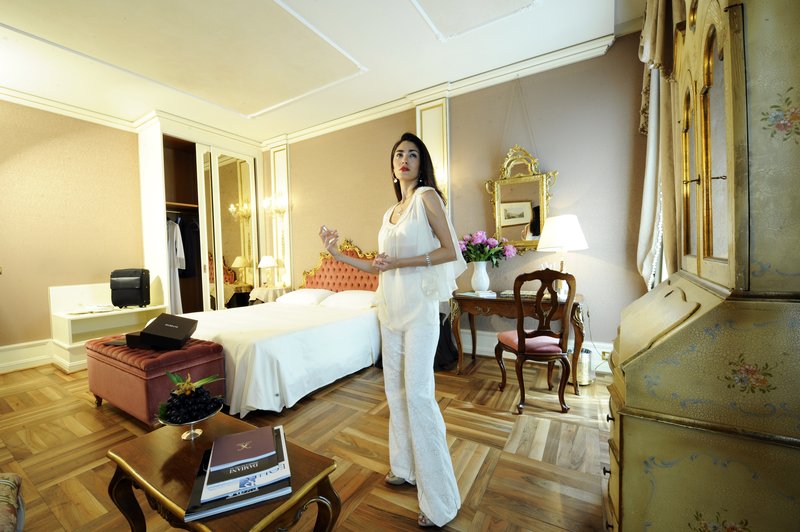
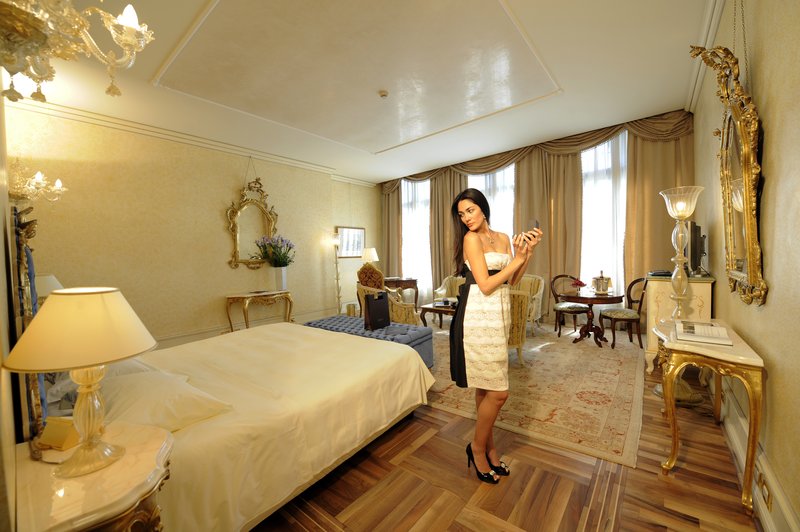
Most of the 42 bedrooms and suites still retain many signs of a glorious past, including superb masterpieces by important 17th and 18th century Venetian artists such as Nicolò Bambini, Giambattista Tiepolo, Sebastiano Ricci and Pietro Longhi – a rare example of time having stood still. No other hotel combines elegance, history and hospitality with the same passion. Each room, boasting a view over the Canal Grande or the roofs and squares, is quite unique and decorated differently in a style of subtle yet highly refined elegance. All our Rooms include a marble bathroom with a bath or overhead shower, air conditioning, internet access, TV, phone, hairdryer, a safe, minibar and a work desk. You will feel like an 18th century Venetian noble for as long as you stay at Ca’ Sagredo. The rooms have a maximum occupancy of two or three people depending on the category.

Ca' Sagredo Hotel

Sagredo Double Room

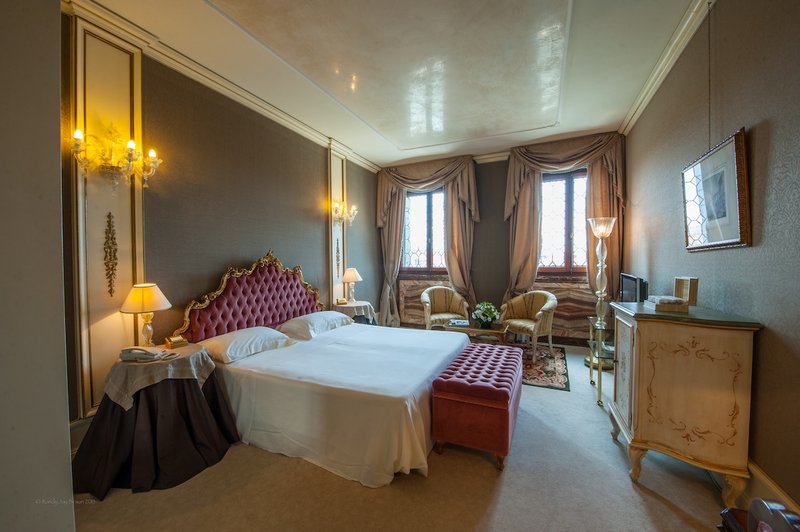
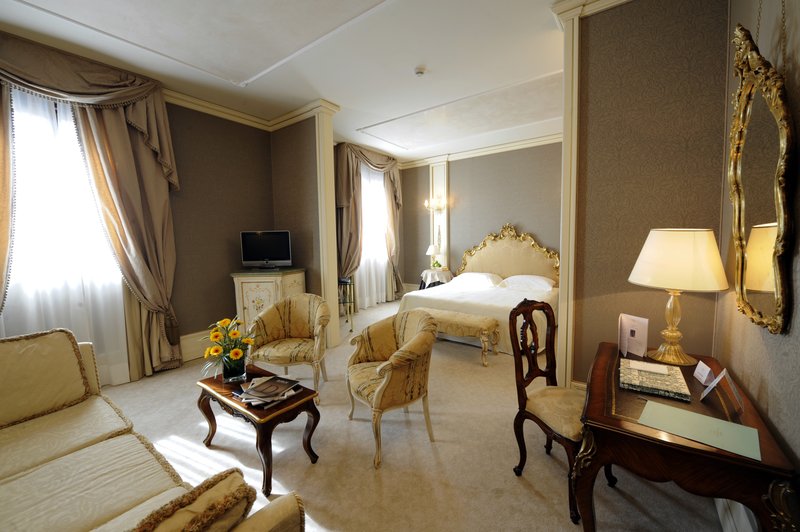
Stylishly appointed, these elegant double or twin rooms are tastefully and individually decorated in classic Venetian style. With views on the Venetian rooftops or inner-courtyard; the Sagredo Double Rooms are approximately 25 to 30 square meters in size and they have a maximum occupancy of two people.

Ca' Sagredo Hotel

Family Triple room

These delightful Family Triple Room are decorated in tasteful shades of brown, cream, white and gold and they are suitable for 3 Guests. These rooms have views on the Venetian rooftops or inner-courtyard and they are between 35 and 45 square meters in size.

Ca' Sagredo Hotel

Grand Canal Double Room

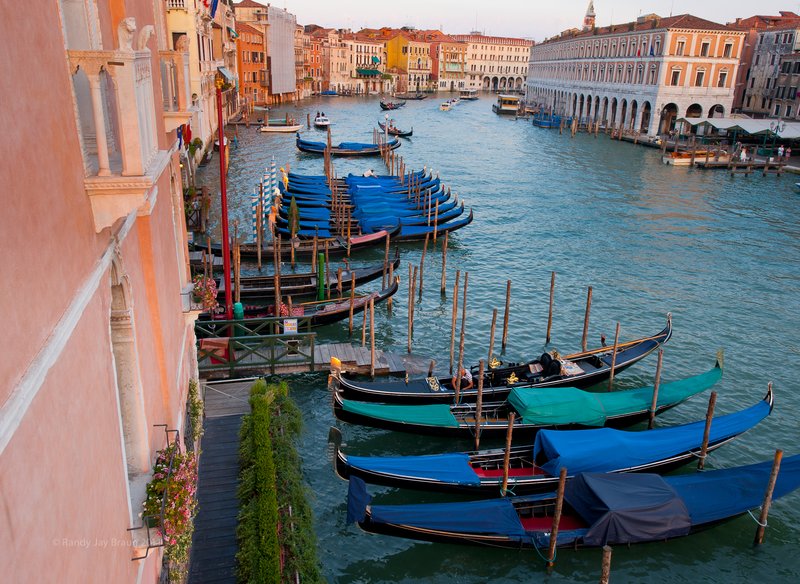
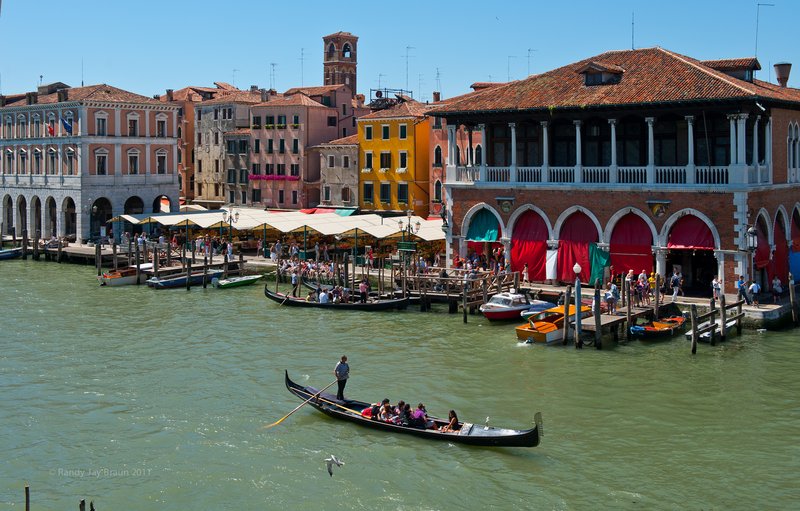
These beautiful rooms have superb views overlooking the Grand Canal and the passing gondolas. Our grand Canal Double have a maximum occupancy of two people and they are from 30 to 35 square meters in size.

Ca' Sagredo Hotel

Sagredo Junior Suite

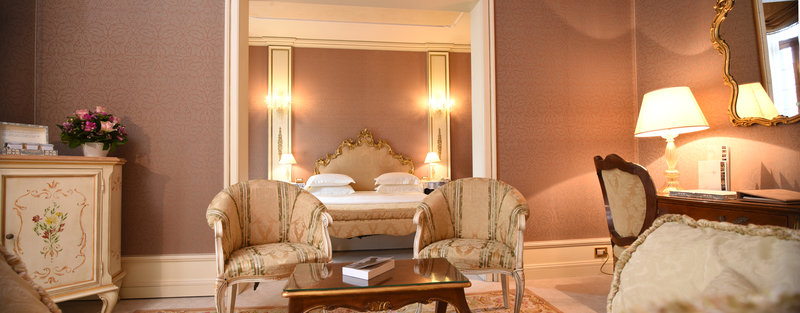
These delightful Junior Suites are the epitome of understated opulence decorated in tasteful shades of brown, cream, white and gold. These Junior Suites have views on the Venetian rooftops or inner-courtyard. They have a maximum occupancy of three people and they are between 35 and 45 square meters in size.

Ca' Sagredo Hotel

Grand Canal Junior Suite

These Junior Suites provide beautiful views across the Grand Canal and are a wonderfully romantic choice. With a maximum occupancy of three people they are 35-45 square meters in size.

Ca' Sagredo Hotel

Sagredo Suite

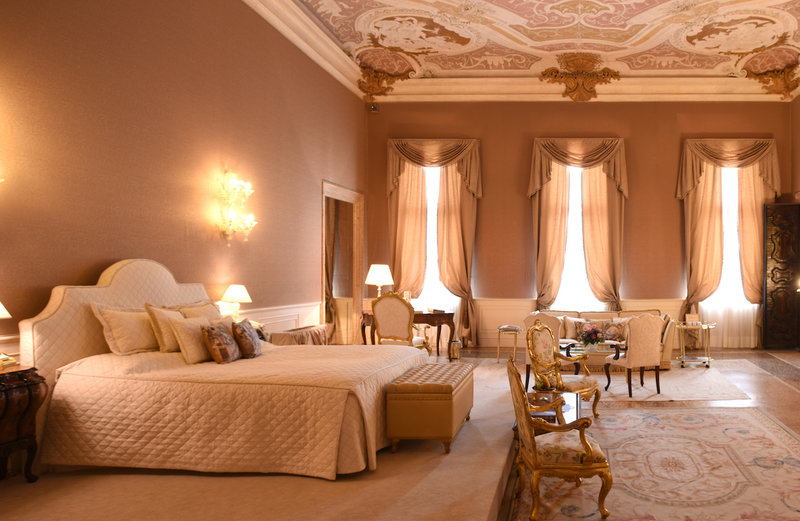
Capturing the very essence of Venice, these richly decorated Suites have beautiful furniture, gilt mirrors, Murano glass lamps and precious silk fabrics. The Sagerdo Suites have delightful views towards Campo Santa Sofia, the narrow Venice streets or the inner-courtyard, they are from 45 to 55 square meters with a maximum occupancy of three people.

Ca' Sagredo Hotel

Historical Suite

Truly evocative of 17th and 18th-century Venice, these magnificent deluxe Suites are the very heart of the Sagredos comprise The Sebastiano Ricci Suite, The Arts Suite and The Stuccoes Suite, each with the original 17th and 18th-century paintings and stucco works by renowned artists of the period. The Suites are a vast 60 to 100 square meters in size with a maximum occupancy of three people.

Ca' Sagredo Hotel

Grand Canal Suite

These luxury top Suites have breathtaking views over the "Canal Grande". They are the Library Suite and the Suite with the Four-Lights Window, each of the Grand Canal Suites combines a uniquely historic ambience with sleek and contemporary amenities. These Suites are from 60 to 100 square meters in size.

Ca' Sagredo Hotel

Presidential Suite

Ca’ Sagredo Hotel’s luxury Presidential Suite is set on the principal floor of the Palazzo, occupying the original main reception rooms of the Sagredo family, with the most breathtaking views across the Grand Canal. Here the Sagredos held one of the finest collection of drawings in the world. Ca' Sagredo Hotel Presidential Suite is a 100 square meters openspace and can host up to three Guests.

Services

Some of the following services available at extra charge.


Directory of services

  • Anti allergy amenities inroom
  • Concierge
  • Daily newspaper
  • Disabled Access
  • Disabled Rooms
  • Florist
  • Foreign currency exchange
  • Guests relation services
  • Interconnecting rooms
  • In-villa dining
  • Laundry service
  • Luggage services
  • Multilingual staff
  • Nanny service
  • Pets Allowed at a charge
  • Room service - restricted hours
  • Themed Events
  • Turn-down service
  • Wake up calls
  • WI-FI in public areas
  • WI-FI in guest rooms
  • Wine, flowers & fruits in-room

On-site facilities

  • Fitness Facility
  • Luggage storeroom

Family facilities

  • Baby sitting
  • Family rooms
  • Interconnecting rooms
  • Sofa beds

Languages spoken

  • English
  • Spanish
  • French
  • Italian

Dining

Chef Michele Potenza: The absolute protagonist is a cuisine made of fresh ingredients and characterized by a strong 'back to nature' concept. He focused his plates on the elaboration of traditional recipes with his personal and unique touch. Local product is enhanced in the menus through the daily attentive personal selection from the Rialto Market: a ‘Natural Flavours’ Philosophy providing a fresh twist on traditional Venetian cuisine. Chef Michele Potenza's Italian origin and international background can be savoured on his refined natural plates, characterized by rich tastes and great personality.


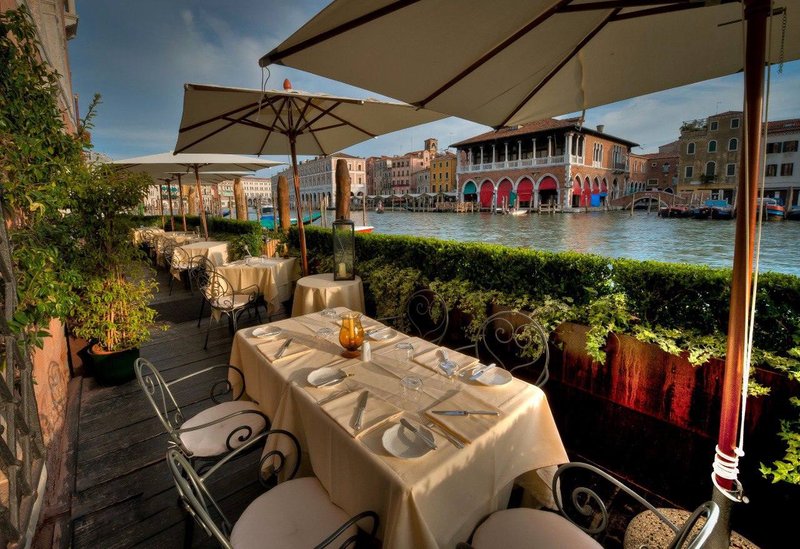
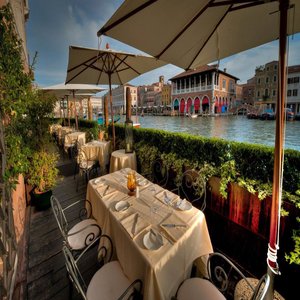
L’Alcova Restaurant on the Grand Canal

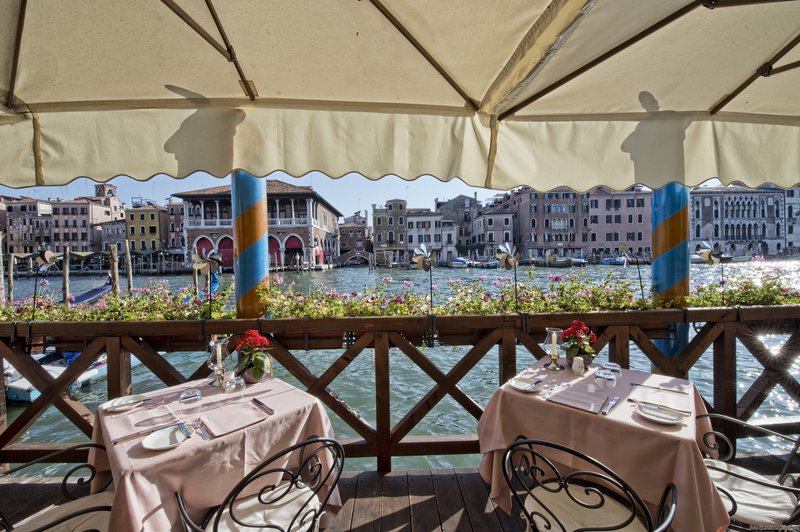
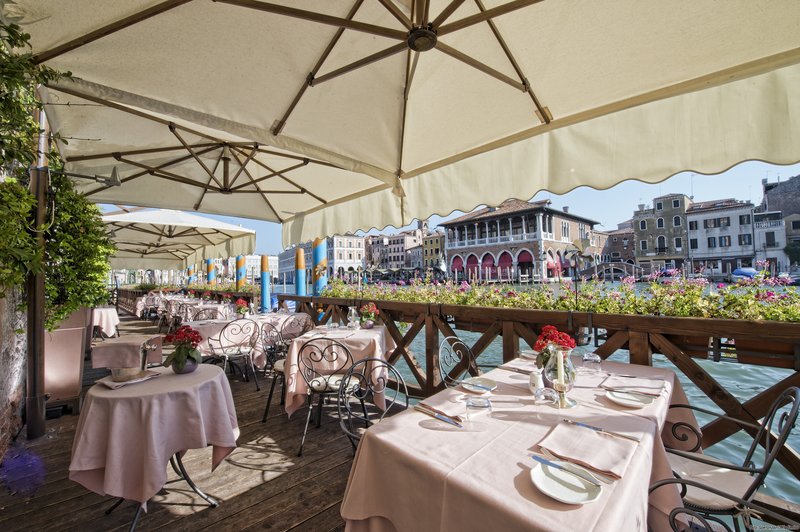
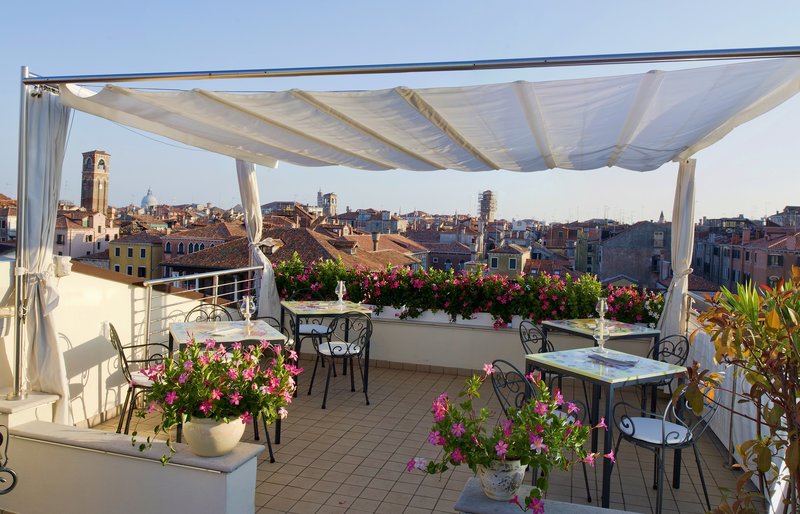
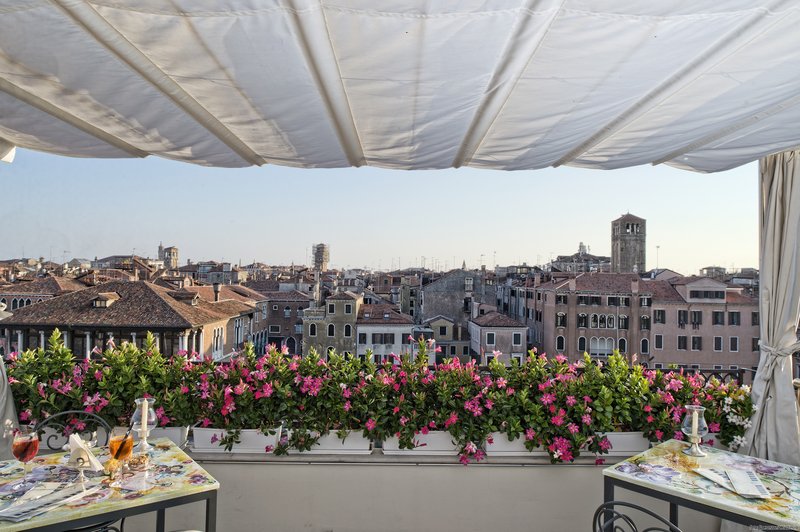
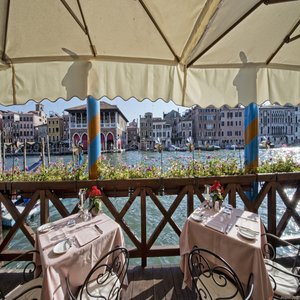
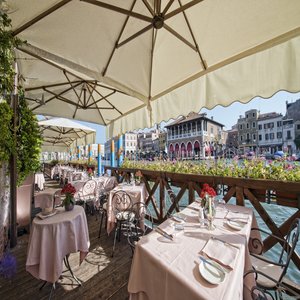
With its splendid panoramic terrace on the Grand Canal, L’Alcova Restaurant is open all year round to allow you to indulge your passion for Venice and your love for the best food and wine. In an exclusive setting, our Restaurant offers an original cuisine based on the local Venetian traditions. The Rialto market is just in front of the hotel: just cross the canal to experience the seasons of the sea and the fresh products. L’Alcova Restaurant is an eloquent expression of the Mediterranean creativity, where you can encounter the wonders of Venice at your fingertips.

Restaurant details
Type: Italian
Dress Code: Please note, the dress code is informal/elegant
Opening Hours: 12:30 to 14:30 & 19:30 to 22:30
Smoking: No (Non-Smoking)

Leisure

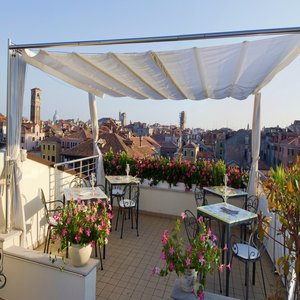
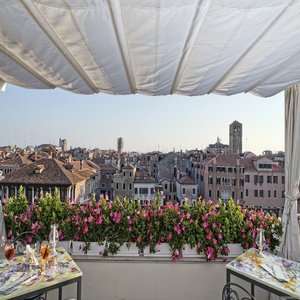
Ca' Sagredo Goes Healty Proposals: Joggin & Walking among the Monuments, Morning tone up on the rooftop terrace, Personal Trainer on Request.


Activities

  • Hairdresser - Nearby
  • Horse Riding - Within 10 Miles / 15 Km
  • Jogging Track - Within 10 Miles / 15 Km
  • Sailing - Within 10 Miles / 15 Km
  • Tennis - Within 10 Miles / 15 Km

Meetings and Business

For further information and quotations please contact us at info@casagredohotel.com or call us at 0039 041 2413111.


Business Services

  • Air-conditioning
  • Audio-visual equipment
  • Blackboard/Whiteboard
  • Broadband Internet access
  • Dolby digital system
  • DVD
  • Flip charts
  • Internet / E-mail access
  • Microphone
  • Mineral water/Tea/Coffee
  • Scanner
  • Screen
  • Wireless internet access

Caring Luxury

Proudly part of: Save Venice programme, Electricity saving programme, Save the Venetian Lagoon programme.

Getting there

Hotel Address

Ca' Sagredo Hotel
Campo Santa Sofia
4198/99 Ca’ D’Oro
30121 Venice
Veneto. Italy

Transportation

How to reach us by CAR Venice has two covered parking areas: one is at Piazzale Roma and one is on the Tronchetto Island. Right at the end of Ponte della Libertà, the bridge that connects Venice to the mainland, at the stoplight go straight on the main road and follow the indications for Piazzale Roma. The parking areas are: Garage San Marco or Garage Comunale. For the Tronchetto at the end of Ponte della Libertà, the bridge that connects Venice to the mainland, at the stoplight take a right turn and follow the indications. Ca’ Sagredo Hotel may be reached either by a private water taxi or by public vaporetto. The Line is n. 1 and the stop is Ca’ D’Oro. How to reach us by BOAT The Hotel may be reached by a private water taxi (in 15 minutes) or alternatively by public vaporetto. The vaporetto could be take from Piazzale Roma (Line n. 1) and the stop is Ca’ D’Oro. The easiest way to reach Piazzale Roma from the Port of Venice is taking the People Mover, a train that connects these two terminals. How to reach us by PLANE Ca' Sagredo Hotel is not far from the main Airport of Venice - Venezia Marco Polo, Tessera. You will be able to reach easily us by water taxi, organizing a private transfer or directly at the Airport's Dock, or by bus to Piazzale Roma (around 30 minutes). From Piazzale Roma, Ca' Sagredo Hotel is 10 minutes by water taxi or 20 minutes by public Vaporetto (Line 1 - Stop Ca' D'oro). How to reach us by TRAIN The Santa Lucia train station is situated fifteen minutes from the Hotel, at the end of Canal Grande. Ca’ Sagredo Hotel may be reached either by a private water taxi or by public vaporetto. The Line is n.1 and the stop is Ca’ D’Oro.

Airports

Nearest international airport: Marco Polo International Airport (Less than 1 Km.)
Nearest local airport: Marco Polo International Airport (Less than 1 Km.)

Trains & Buses

Nearest train station: Santa Lucia train station (1 Km.)
Nearest bus or coach station: Piazzale Roma car parking (1 Km.)

Driving

Nearest motorway junction: Autostrada A4 "Venezia" (3 Km.)

Car Rental

Nearest car rental office: Piazzale Roma car parking (Less than 1 Km.)

Near Ca' Sagredo Hotel

Rialto and Accademia Bridges, Ca’ d’Oro, Museum of Fine Arts, Peggy Guggenheim Collection, St. Mark’s Square, Doges Palace, Murano, Burano and Torcello Islands, boutiques and restaurants.


Landmarks

  • Musei Civici Veneziani

    The Foundation was established by resolution of the City Council of Venice, on March 3rd 2008, in order to manage and promote the immense cultural and artistic heritage of the Musei Civici di Venezia. The Foundation manages and fosters a rich Museum system, articulated and complex. Palazzo Ducale One of the symbols of Venezia, is situated in the monumental area of San Marco Square. Museo Correr Is an Art Museum located in the sestriere San Marco. The collection of the Museum is housed in the Napoleonic wing of the judiciary. The Clock Tower Is a Renaissance building located in piazza San Marco. The building consists of a central tower, built between 1496 and 1499 by Codussi, and two side wings. Ca' Rezzonico Is one of the most famous palaces in Venice. It is currently home of the Museum of the "18th Century of Venice". Palazzo Mocenigo Already existing in the '500, is today used as a Centre for the study of the history of Textile and Costume. Carlo Goldoni's House Home of the famous playwright, houses a small "Museum Goldoniano" in addition to the famous puppet from Ca' Grimani ai Servi. Ca' Pesaro Overlooking the Grand Canal is considered one of the most beautiful Venetian palaces. The Baroque façade, decorated with bas-reliefs and statues, makes it unique. The Grand Palace is now home of the "Galleria Internazionale d'Arte Moderna" and the "Museo d'Arte Orientale". Palazzo Fortuny Is a Venetian gothic Palace, located in the sestriere of San Marco, named after the last owner, the artist Mariano Fortuny y Mandrazo. After his death, his wife Henriette donated the building to the city of Venice that made the place dedicated to dealing with Visual Communication disciplines. Glass Museum It was founded in 1861 in Murano. The Museum's collections, as well as through purchases, are increased by donations of kilns on the island who go to enrich the Museum's sections. The Lace Museum Opened in 1981, is located in the historic School of Burano. Display several important reproductions of Venetian lace. The Museum of natural history Located inside the Fondaco dei Turchi hosts ancient exhibits of the Venetian area and especially of Venice.

  • Ca d'Oro Museum

    Ca D’Oro is a palace on the Grand Canal, has always been known as Ca D’Oro due to the gilt and the polychrome external decorations which addorned its walls. On the ground floor a recessed colonnaded loggia gives acces to the entrance hall (portego de mezzo) directely from the canal, above this colonnade there is the eclosed balcony of the principal salon on the piano nobile. This wedding cake exterior gives no hint that the palazzo is in fact built around a small inner courtyard. In 1922 the palazzo was bequeathed to the state by its last owner and saviour Baron Giorgio Franchetti who had aquired it in 1894. Following extensive restoration, including the recostruction of the stairway, it is now open to the pubblic as a gallery.

  • Islands of Murano Burano Torcello

    Murano is composed by several islands linked by bridges with a population of more than 4,500 inhabitants. The island was indipendent with its own Grand Council, like the one of Venice, until the 15th Century when passed under the Venetian Government. The reputation of the island as a "center for glassmaking" started when the Venetian Repubblic ordered to the glassmakers to move their Factories to Murano in 1291. The Glassmakers of Murano held a monopoly on high quality glassmaking for centuries and some of them are still owners of important brands. Today to protect the original Murano Glass Art from foreign markets, the factories have a Trade Mark that certifies products made in Murano Burano is an island in the Venetian Lagoon situated in the northen part, 7 kilometers away from the main island and 40 minutes trip by vaporetto. Burano is famous for the Lace Art , there is also a school opened in 1872 and its small, brightly-painted houses. Ohter attraction are the Church of San Martino, with the particoular tower and a painting by Giambattista Tiepolo, the Oratorio of Santa Barbara and the Museum and School of Lacemaking. Torcello is a quiet island in the north of the Venetian Lagoon. Torcello was one of the first lagoon’s islands to be populated and starting form 1638 became the Bishop’s base for more than one hundred years. Unfortunately from the 12th Century the lagoon around the island gradually became a swamp making the life there impossible. The island now has a population of around 20 people The former splendour of Torcello’s Palazzi almost disappared and nowadays the island is a sort of Venetian countryside full of nice restaurants and nice views on the Venetian lagoon.

  • Jewish Ghetto

    The Venetian Ghetto was the area of Venice in which Jews were compelled to live under the Venetian Repubblic. The ghetto in the area of the Cannaregio is divided into the Ghetto Novo (new Ghetto) and the adjacent Ghetto Vecio (old Ghetto). Four of the five synagogues were cleary divided according to ethnic identity, separate synagogues existed fot the German, Italian, Spanish and Portuguese and Levantine Sephardi comunities. Nowadays they are still open to the public at large.

  • Rialto Bridge

    The Rialto Bridge is one of the four bridges spanning the Grand Canal in Venice, it is the oldest bridge across the canal. The firts dry crossing of the Grand Canal was a pontoon bridge built in 1181, called Ponte della Moneta, because of the mint that was build near the bridge. The current stone bridge, designed by Antonio da Ponte, was completed in 1591. The engineering of the bridge was considered so audacious but the bridge has defied its critics to become one of the architectural icon of Venice.

  • St Mark's Square

    Piazza San Marco, also St Mark’s Square is one of the most important Italian squares and is renowned worldwide for its beauty and its architectural integrity. The heart of the lagoon city and the Venetian State, consists of five areas: - The Square: the area enclosed between the Procuratie Vecchie, Procuratie Nuove, the historic St Mark's Basilica and Bell Tower; - La Piazzetta San Marco: lies between the Doge's Palace and the Biblioteca Marciana, is the monumental access for those coming from the sea through the two famous columns fronting the St. Mark's basin; - The Piazzetta dei Leoncini: located at the side of the Church, named for the two statues of Lions; - The Basilica: Saint Mark's Basilica is a monument made unique by both its wealth of history and the magnificence of its façade and interior. To understand the Basilica's role through the centuries, the full extent of artistic, iconographic and religious content, combined with the wealth and variety of historical influence are exhaustively presented here, within a range of searchable subject areas; - The Campanile: imposing square plan tower about 99 metres high is crowned by a spire that was once a lighthouse for shipping. It was first built in the 12th century and then rebuilt in its current form early in the 16th century with the addition of a statue of the Archangel Gabriel.

  • Grand Canal

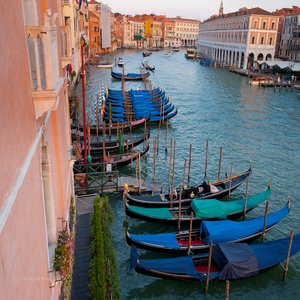
    Palazzo Sagredo overlooks the Grand Canal “Canal Grande”, the most important waterway in Venice, crisscrossed by vaporetti and gondolas. Spanned by bridges and surrounded by palaces, public buildings and churches, it's shaped like the backwards letter S, and is approximately two miles long. The Grand Canal is indeed the most beautiful water street of the world: rich of colours and lights, the true hearth of Venice itself.rand Canal.

  • Venice Biennale

    It is the major contemporary Art Exhibition that takes place every two years in Venice, the first Biennale was held in 1895. The event became international in the first decades of the 20th Century; from 1907 several countries started to install National Pavilions at the Venetian Garden and now there are more 30 Countries permanent Pavilions but the numbers of Countries represented still grows. Starting from 1930 other new events have been established like the Music Festival in 1930, the International Film Festival in 1932, the Theatre Festival in 1934 and the Architecture Biennale in 1980. The Countries that do not have an own Pavilion are exhibited in other venues across Venice. Since 1980 started the "Aperto" project which is a collateral event for younger and not rapresented artists. This project is nowadays staged in the Arsenale and it is part of the Biennale official programme.

  • San Giorgio Island

    San Giorgio is situated in front of San Marco Square. The island was originally called Isola Memmia because of the Memmo family that owned it. In 1829 has been built the main Church consacrated to St George and in 1982 has been estabilished the monastery of San Giorgio. The island is now best known for the Church of San Giorgio Maggiore, designed by Palladio in 1566, and It is the headquarters of the Cini Foundation Arts Center.

  • Sant'Erasmo Island

    Sant'Erasmo is an island in the northern part of the lagoon. It is famous among all Venetian people for its typical greengrocer productions. Ruined fortification, including the so-called Torre Massimiliana, ring the island, they have been built starting from the 16th Century after the fall of the Venice Republic. For example French built here a Stronghold in 1811-1814, and in 1843-44 the Austrian Built the Tower which was used by the Italian Army during the World War I.

Bookmark and Share